
Boat Hatch: What Actuator Should You Use?
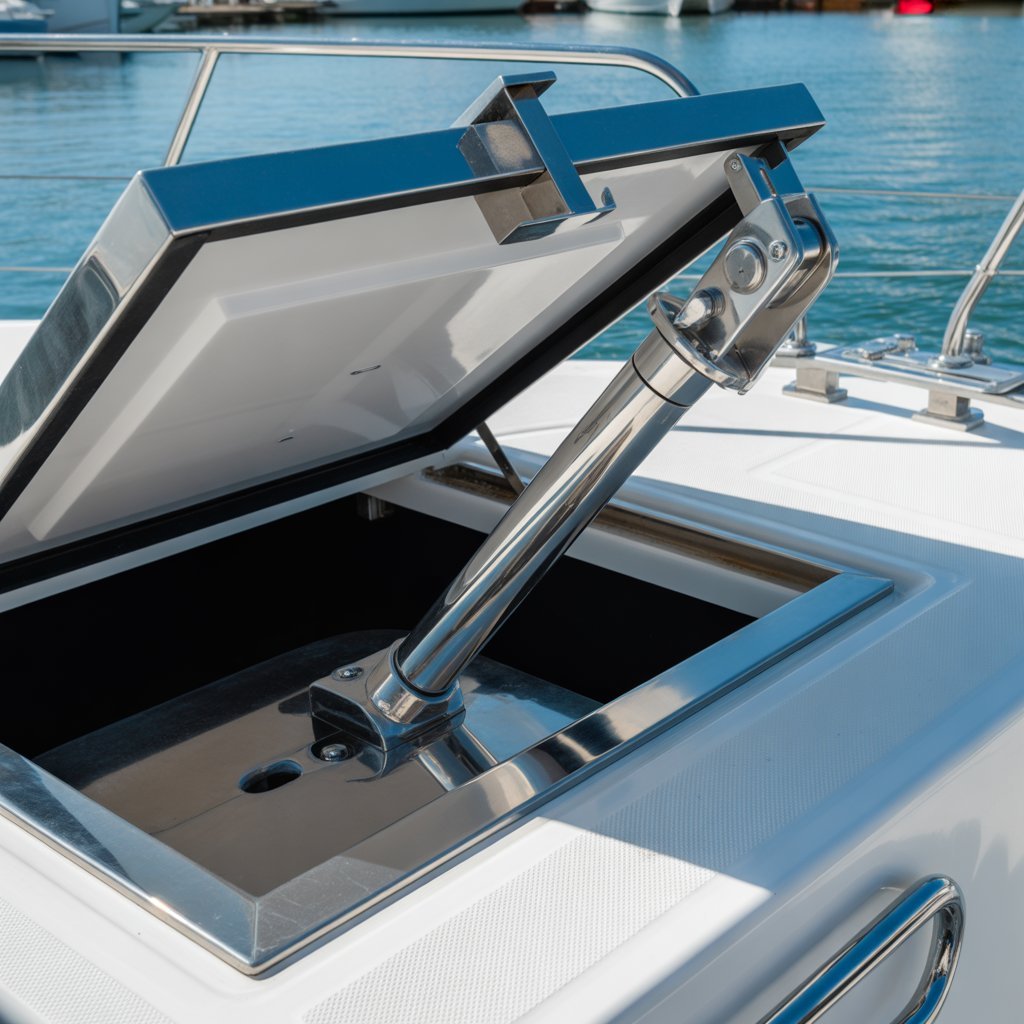
Automating a boat hatch is easy when you use an electric linear actuator. It lifts the hatch smoothly and lowers it safely. However, choosing the right actuator is important. Otherwise, the hatch may not open fully or may strain the mechanism.
To start, look at the weight of the hatch, its size, and the space available for mounting. Then, compare these details with an actuator-selection chart, like the one on electricactuator.in. This will help you pick the correct force, stroke length, and speed.
As a result, you can avoid problems later and ensure smooth operation every time.
Factors for Choosing an Actuator
1. Load Capacity
First, check how heavy your hatch is. The actuator must lift this weight easily. In addition, it should hold the hatch open without slipping. Choosing an actuator with extra force gives more safety and longer life.
2. Stroke Length
Next, measure how far the hatch needs to move. The actuator must extend enough to open it fully. If the stroke is too short, the hatch will stop halfway. On the other hand, extra length helps you adjust the opening angle more freely.
3. Speed
You may also think about how fast the hatch should open. Heavy-duty actuators move slower because they use more force. Meanwhile, lighter actuators move faster. Choose the option that fits your use. For example, an engine hatch does not need high speed.
4. Environmental Protection
Because boats face water and salt, you should choose a marine-grade actuator. It must resist corrosion and moisture. In addition, look for a high IP rating. This ensures the motor and gears stay protected even in harsh weather.
5. Mounting and Space
Finally, consider the space around the hatch. The actuator should fit without blocking other parts. Good mounting also reduces stress on the hinge and improves long-term performance.
Calculating the Force of the Actuator for Boat Hatch
To choose the right force, follow a simple method. First, weigh your hatch. Then measure two distances:
- Distance from the hinge to the hatch’s center of gravity
- Distance from the hinge to the actuator mounting point
Now apply this formula:
Required Force = (Weight × Distance to Center of Gravity) ÷ Distance to Actuator Mount
This gives you a basic force value. However, add at least 30–50% extra force for safety. This extra margin helps the actuator handle wind, vibration, and long-term wear.
Because calculations can be tricky, many people use an online “hatch force calculator.” It gives quick results and helps you avoid mistakes.
In Conclusion: Boat Hatch Automation
Using a linear actuator for a boat hatch is a smart upgrade. It makes opening and closing the hatch smoother, safer, and easier. However, choosing the right actuator is essential. When you consider the hatch weight, stroke length, environmental protection, and mounting space, you will get the best results.
With the correct actuator, your boat hatch will work reliably for many years — even in tough marine conditions.