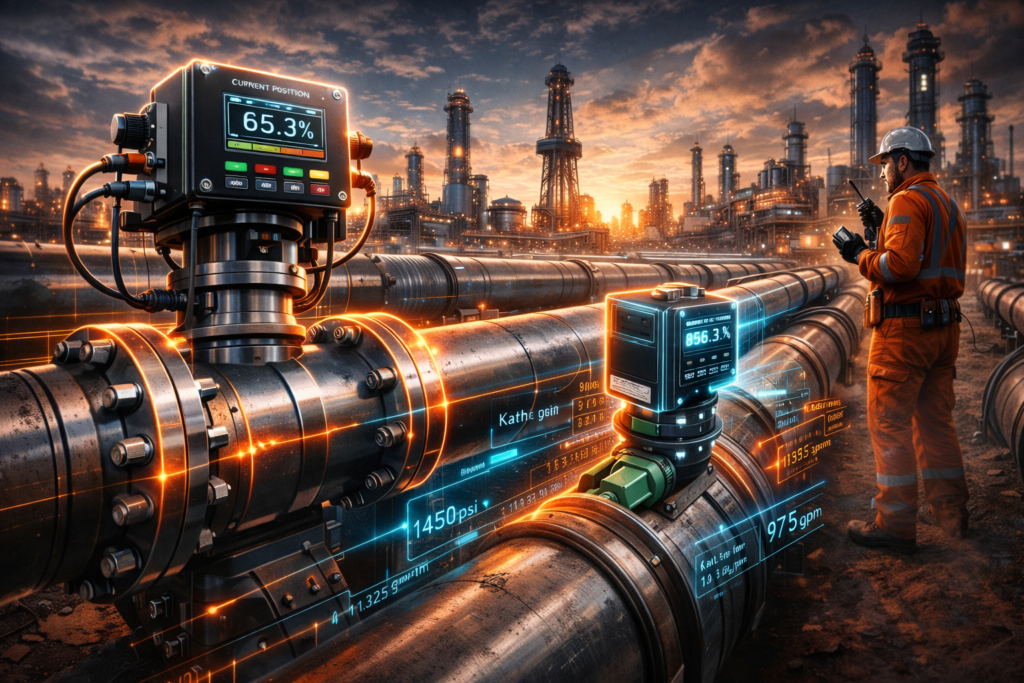
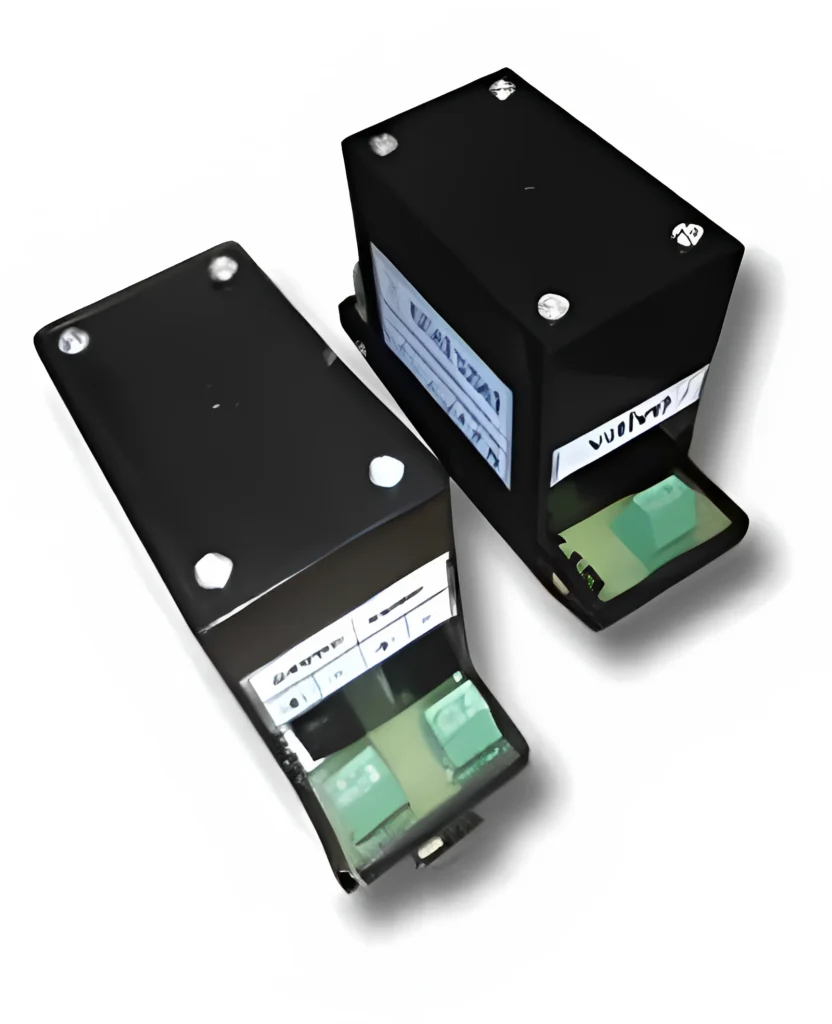
Modern water treatment plants require accurate control of water flow, pressure, and chemical dosing to maintain efficiency and safety. Industrial valves combined with intelligent valve controller help automate these operations and ensure precise system control. By integrating automated valves, actuators, and smart control systems, industries can manage water treatment processes more reliably and remotely. This automation also improves operational efficiency, reduces manual errors, and ensures consistent water quality.
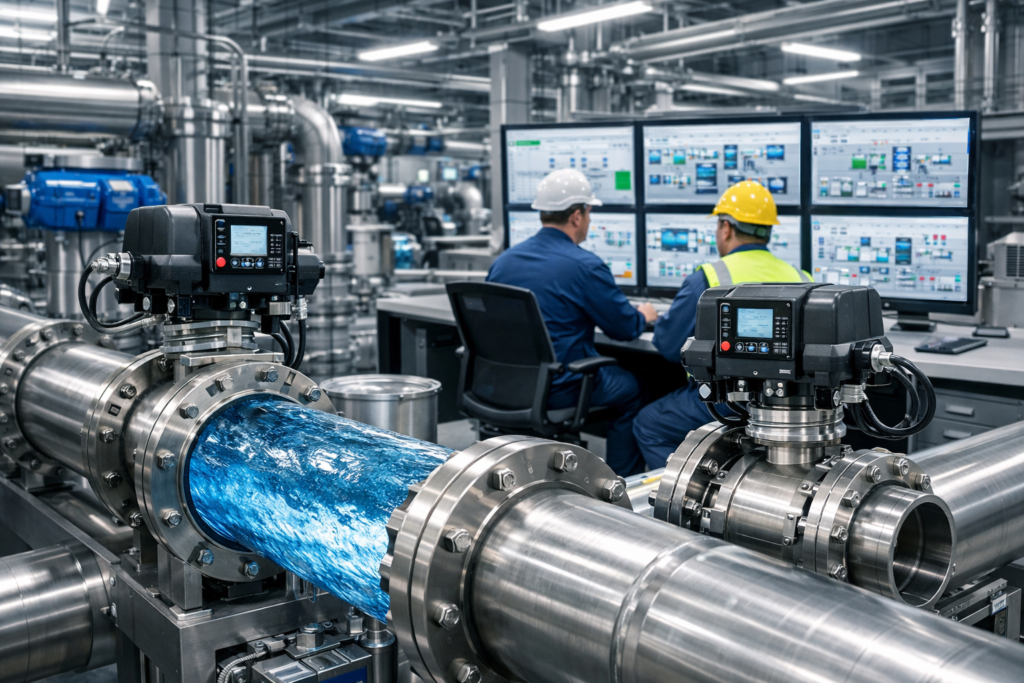
Water Treatment & Sewage Treatment Plant Automation
Water treatment and sewage treatment plants depend heavily on automated control systems to maintain stable flow rates and proper chemical dosing. Industrial valves integrated with controllers regulate water movement across filtration, sedimentation, chemical treatment, and discharge stages.
Automated valve controllers help operators manage complex processes by adjusting valve positions based on real-time data from sensors. These systems are often connected to centralized monitoring platforms like SCADA for remote supervision and performance optimization.
Typical valve roles in water treatment systems include:
- Regulating water flow between treatment stages
- Controlling pressure within pipelines
- Managing chemical dosing systems
- Preventing reverse flow and contamination
- Enabling remote monitoring and control
Sugar Industry Automation
Water treatment is also essential in the sugar industry, where large volumes of water are required for processing, cleaning, and steam generation. Automated valve controllers help maintain precise flow control across filtration units, cooling towers, and boiler feed systems.
Using automated valves reduces water wastage and ensures consistent water quality for sugar processing operations.
Key uses in sugar plants:
- Boiler feed water control
- Cooling tower water circulation
- Wastewater treatment regulation
- Chemical dosing control
- Process water distribution
Power Plant Automation
Power plants rely on large-scale water treatment systems for cooling, boiler feed water preparation, and wastewater treatment. Automated valve controllers play a crucial role in maintaining correct flow and pressure levels.
Automation ensures continuous monitoring and precise valve positioning, which is critical for high-pressure and high-temperature operations in power generation systems.
Typical applications include:
- Boiler feed water flow regulation
- Cooling water circulation control
- Condensate recovery systems
- Chemical treatment processes
- Pressure control in pipelines
Key Components & Operation
Industrial water treatment automation relies on several key components working together.
Valve Types
- Butterfly Valves – Used in large pipeline systems for low-pressure flow control.
- Ball Valves – Suitable for quick on/off applications and tight shut-off operations.
- Globe Valves – Ideal for precise throttling and flow regulation.
- Gate Valves – Designed for high-pressure sealing and complete flow isolation.
Actuators
Actuators convert electrical, pneumatic, or hydraulic signals into mechanical motion to operate valves.
- Pneumatic actuators provide fast response.
- Electric actuators offer precise control and positioning.
- Hydraulic actuators deliver high force for heavy-duty applications.
Controllers & Positioners
Valve controllers ensure the valve opens or closes to the exact required position. Feedback signals allow the controller to adjust valve movement automatically according to system demands.
How It Works & How It Is Used
Automated valve controllers work by receiving signals from sensors that measure flow, pressure, or level in the system.
Typical operation process:
- Sensors detect flow rate, pressure, or chemical levels.
- The control system processes the signal.
- The valve controller sends commands to the actuator.
- The actuator moves the valve to the required position.
- Feedback signals confirm the valve position to the control system.
This closed-loop control ensures accurate and stable operation throughout the water treatment process.
Key Application Areas
Industrial valve controllers are widely used in various water management processes.
Major application areas include:
- Municipal water treatment plants
- Industrial wastewater treatment systems
- Cooling water systems
- Chemical dosing units
- Reverse osmosis systems
- Filtration and sedimentation plants
Required Components
A typical automated valve control system includes:
- Industrial valves
- Electric or pneumatic actuators
- Valve controllers and positioners
- Flow and pressure sensors
- Control panels or PLC systems
- SCADA monitoring software
- Communication interfaces
Operations & Functions
Valve controllers perform several critical functions in water treatment automation.
Main operational functions:
- Flow control and regulation
- Pressure balancing
- Chemical dosing control
- Remote valve monitoring
- Automatic valve positioning
- Emergency shut-off control
Key Features and Technology
Modern valve controllers integrate advanced technologies for reliable operation.
Important features include:
- Digital position feedback
- Remote control via SCADA systems
- High precision valve positioning
- Corrosion-resistant materials for harsh environments
- Energy-efficient actuator operation
- Smart diagnostics and maintenance alerts
Key Benefits & Specifications
Benefits
- Improved process accuracy
- Remote monitoring capability
- Reduced manual intervention
- Consistent water treatment quality
- Enhanced system safety
- Lower operational costs
Typical Specifications
- Control voltage: 24V / 110V / 230V
- Communication protocols: Modbus / Profibus / Ethernet
- Operating temperature: Industrial grade range
- Position feedback: Analog or digital
- Protection rating: IP65 or higher
Advantages and Disadvantages
Advantages
- High precision control
- Increased operational efficiency
- Reduced manpower requirements
- Improved safety in hazardous environments
- Real-time monitoring and diagnostics
Disadvantages
- Initial installation cost can be high
- Requires proper calibration and maintenance
- Dependence on electronic control systems
Comparison Table: Manual vs Automated Valve Systems
| Feature | Manual Valve System | Automated Valve Controller |
|---|---|---|
| Operation | Manual | Automatic |
| Accuracy | Low | High |
| Remote Monitoring | Not possible | Available |
| Efficiency | Moderate | High |
| Maintenance | Frequent manual inspection | Predictive maintenance possible |
Steps to Follow for Implementation
Industries implementing automated valve control systems typically follow these steps:
- Identify process requirements.
- Select appropriate valve type.
- Choose compatible actuator and controller.
- Integrate sensors and monitoring systems.
- Configure control logic in PLC or SCADA.
- Test and calibrate the system for optimal performance.
Checklist for You
Before implementing valve controllers in water treatment systems, consider the following checklist:
- Confirm valve compatibility with pipeline size
- Verify actuator type and power requirements
- Ensure corrosion-resistant materials
- Check communication compatibility with SCADA
- Confirm pressure and temperature ratings
- Ensure proper maintenance planning
Examples
Example 1:
A municipal water treatment facility uses butterfly valves with electric actuators to regulate flow through filtration units.
Example 2:
A chemical dosing system in an industrial wastewater plant uses automated ball valves controlled by PLC signals for precise chemical injection.
Example 3:
A power plant cooling system uses globe valves with pneumatic actuators for accurate flow throttling.
Key Aspects
Key factors that determine the effectiveness of automated valve systems include:
- Valve selection based on process conditions
- Proper actuator sizing
- Reliable controller integration
- Accurate sensor feedback
- Regular maintenance and calibration
Conclusion
Industrial water treatment systems rely on automated valves and intelligent valve controllers to ensure reliable flow control, pressure regulation, and chemical dosing. By integrating valves with actuators and centralized control systems, industries can achieve higher efficiency, improved safety, and better water quality management. Automation also enables remote monitoring, faster response times, and long-term operational stability, making valve controllers an essential component in modern water treatment infrastructure.
FAQ:
1. What is a valve controller in water treatment plants?
A valve controller is an automated device that regulates the opening and closing of industrial valves based on control signals to manage water flow, pressure, and chemical dosing.
2. Why are automated valves used in water treatment?
Automated valves improve accuracy, reduce manual work, and allow remote monitoring for stable and reliable plant operations.
3. What types of valves are used in water treatment systems?
Common valves include butterfly valves, ball valves, globe valves, and gate valves depending on the flow control requirements.
4. How do valve actuators work?
Actuators convert electrical, pneumatic, or hydraulic signals into mechanical motion that opens or closes a valve.
5. What is the role of SCADA in valve automation?
SCADA systems allow centralized monitoring and remote control of valves and other equipment in industrial plants.
6. Can valve controllers improve water treatment efficiency?
Yes, they ensure precise flow and pressure regulation, which improves process stability and efficiency.
7. Are automated valves safe for chemical dosing systems?
Yes, automated valves provide accurate control and reduce human exposure to hazardous chemicals.
8. What industries use automated valve controllers?
Industries such as water treatment, power generation, oil and gas, food processing, and chemical manufacturing use valve controllers.
9. What maintenance is required for automated valves?
Regular inspection, actuator calibration, lubrication, and sensor checks are required for optimal performance.
10. How do valve controllers help in wastewater treatment?
They regulate flow between treatment stages, control chemical dosing, and maintain pressure levels for efficient treatment processes.
Related Article: