
Blog & Resources
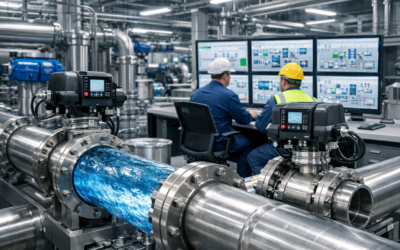
How Water Treatment Industrial Valves Using the powerful Valve Controller
Modern water treatment plants require accurate control of water flow, pressure, and chemical dosing to maintain efficiency and...

Double Destoner Machine with an Innovative Vibratory Feeder Controller
In simple terms: a double destoner machine with a vibratory feeder controller is a smart, industrial-grade solution that removes...
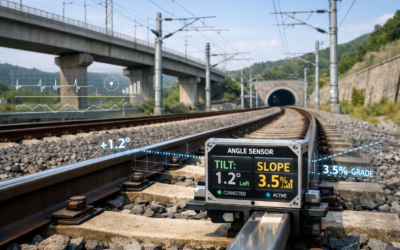
Digital Angle Inclinometer Usage in the Railway Technology
Digital angle inclinometer are vital tools in railway technology because they measure tilt, slope, and alignment with high accuracy....

Where Are Innovative Parking Alert Systems Used in Modern Infrastructure?
A parking alert control system is used wherever vehicles need to park safely, accurately, and efficiently. In simple terms, it helps...

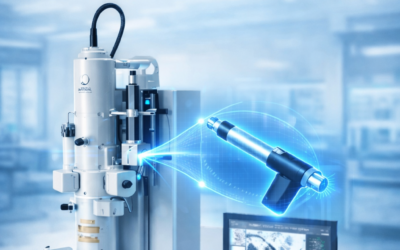
How the Medical Lab SEM Using Powerful Linear Actuator?
Scanning Electron Microscopes (SEMs) are widely used in medical laboratories. They help scientists study cells, tissues, and tiny...
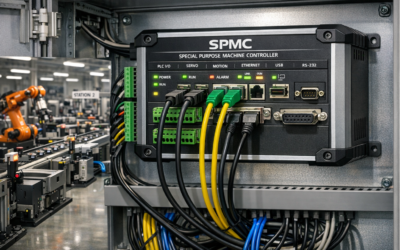
Why the Electronics Industry Needs Special Purpose Machine Controllers?
The electronics industry moves very fast. Products change often. Components get smaller every year. Because of this, manufacturers...

Which Areas of the Automotive Industry Use Reliable Signal Converters?
Today’s vehicles are smarter than ever. They rely heavily on electronics and software. However, vehicles still interact with the real...

When the Oil Industry Uses Proven Valve Controller
The oil & gas industry works under extreme conditions every day. High pressure, high temperature, and hazardous fluids are...
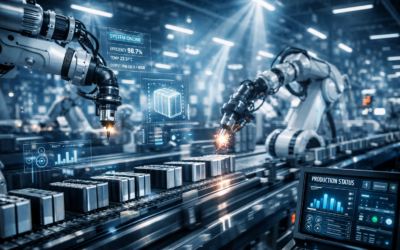
Why the Battery Industry Need Powerful Electric Actuator for Productivity?
The battery industry is growing very fast. Electric vehicles, energy storage systems, and electronics all depend on batteries....
Frequently Asked Questions & Popular Topics
What is indigenisation?
Indigenisation refers to a process in which a country’s economy is transferred from foreign control to local control. This often involves increasing the participation of indigenous people in the ownership and management of businesses and industries.
Why is indigenisation important?
Indigenisation is important because it can promote economic growth and development by ensuring that resources and wealth are more evenly distributed within a country. It can also help to reduce reliance on foreign investment and create opportunities for local entrepreneurs.
What are the challenges of indigenisation?
The challenges of indigenisation can include resistance from foreign investors and business owners, lack of local expertise and capital, and potential conflicts over land and resources. Additionally, it can be difficult to balance the interests of different stakeholders and ensure that the process is equitable and inclusive.
What are some examples of indigenisation policies?
Some examples of indigenisation policies include Zimbabwe’s Indigenisation and Economic Empowerment Act, which requires foreign-owned companies to cede at least 51% of their shares to local investors; Malaysia’s New Economic Policy, which aims to promote the economic participation of ethnic Malays; and Canada’s Aboriginal Procurement Initiative, which seeks to increase procurement from Indigenous-owned businesses.
How can indigenisation be implemented effectively?
Indigenisation can be implemented effectively through careful planning, consultation with stakeholders, and a focus on building local capacity and expertise. It is also important to ensure that the process is transparent, inclusive, and equitable, and that the interests of all stakeholders are taken into account.